Fence Companies Melbourne for Extreme Climate Longevity
If you stay in Melbourne, you get a quick education and learning in climate. One weekend break it is blue skies, the next day it is wind whipping across the street and sheets of rainfall that transform bare ground right into paste. After that there is hail, the kind that makes you search for from the barbeque and question if you ought to bring every little thing inside.
A fencing is the one outside framework you observe each day, and it is additionally the one that takes a beating without requesting focus. When the problems are harsh, longevity is not about one "magic" material. It has to do with how the fencing is engineered, mounted, and preserved, particularly at the components that fail initially: posts, links, and the means moisture and motion are handled.
This is where fence companies Melbourne can make a real difference. Not due to the fact that every installer coincides, but because the best ones think like contractors, not simply fence fitters. They plan for Melbourne's extremes, they ask the ideal inquiries, and they build for how your website in fact behaves.
Why Melbourne tornados subject weak fence design
A great deal of fence damage starts long prior to you see it. Wind and rain do not simply push on the panels, they likewise develop pressure distinctions that lift and rack fencings. Hailstorm effects can seem shallow until you realise it can loosen up finishes, chip edges, and create little factors where corrosion and wear and tear start.
Then comes water. After hefty rain, fences sit wet for longer than individuals expect, particularly at blog post bases and behind rails where airflow is limited. If corrosion is the adversary, after that trapped dampness is the accomplice.
Finally, there is activity. Wood expands and reduces with moisture. Steel broadens with warmth and contracts overnight. Also concrete footings can move somewhat with ground motion. A fencing that is rigid anywhere, with no allowance for activity, often tends to fall short at the weakest joint, not the toughest panel.
When you select a resilient fencing, you are truly selecting a system: products, post spacing, repairing techniques, and the site prep work that maintains everything straight and secure in bad weather.
Start with the weather tons, not the fence style
It is tempting to choose a design you like, then ask if it is "solid sufficient." In technique, solid sufficient is a mix of wind rating assumptions, span size, and exactly how the fencing responds to impacts.
Think about what occurs to your yard on storm days:
- Wind funnels via voids, after that strikes the fence at an angle. The taller the fence and the more continuous the surface area, the even more leverage the wind gets.
- Rain splashes up from ground level, so the lower rails and article area take continuous exposure.
- If you obtain seaside salt in your area, rust risk climbs, specifically for steel and fasteners.
A durable approach is to match the fence design to the loading it will deal with. For example, open pickets or slatted layouts can lower wind pressure compared to completely strong sheet secure fencing. That does not mean solid fences are never an excellent idea, however it does indicate installation information and support spacing issue more.
If you have vast entrances, a swing gateway locations added need on messages and joints. The fencing can look "fine" after a tornado till you notice the sag that shows up weeks later as the hinges and posts settle.
The materials that often tend to stand up ideal in extreme conditions
There is no universal victor, but some materials have a solid performance history in Melbourne's rain, sun, wind, and hail.
Powder-coated steel and Colorbond-type fencing
Steel fences often win on uniformity. When finishings are applied and maintained well, they take care of UV direct exposure and rain far better than unsafe steels. Steel also stays straight if it is mounted with right article spacing and properly protected rails.
The durability inquiry ends up being: can the steel be trusted where it matters most?
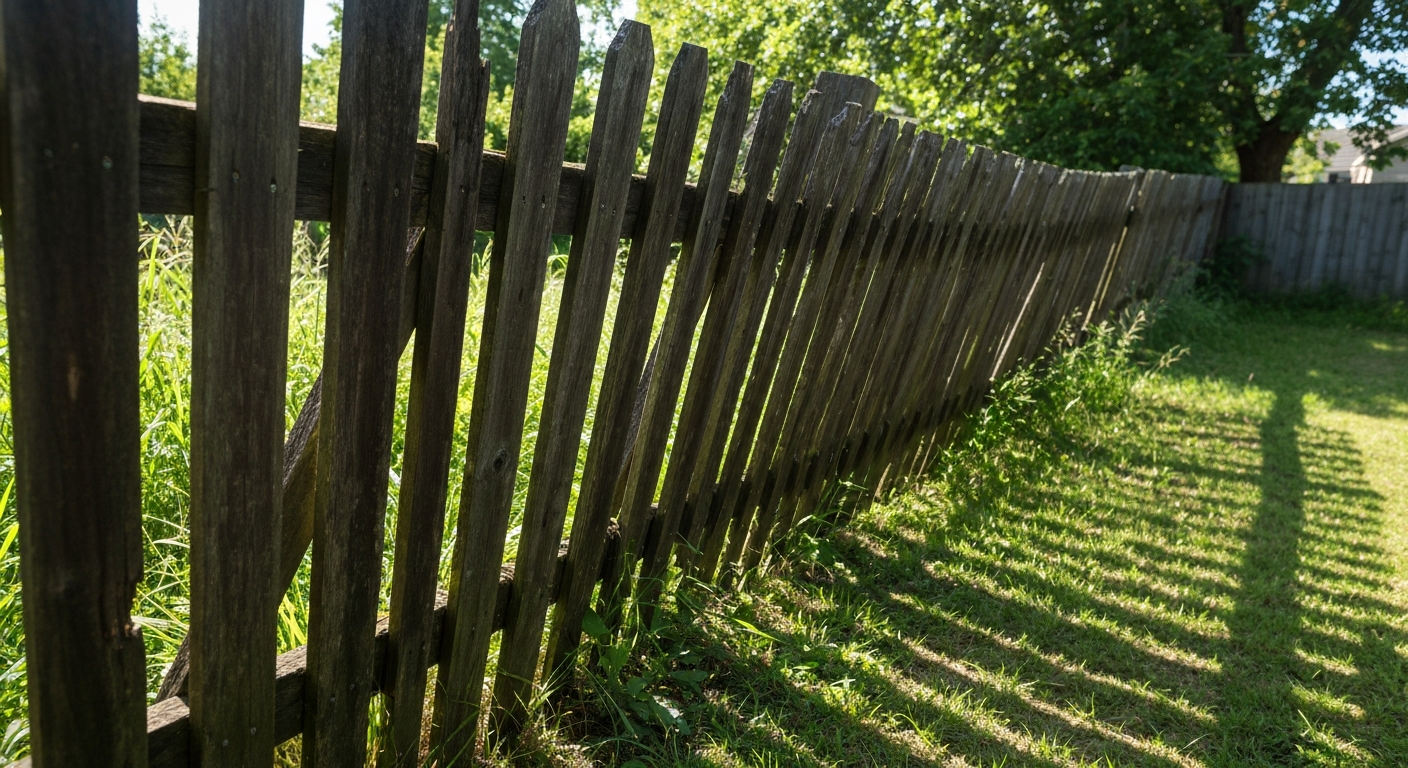
- Are the message bases effectively established and protected?
- Are bolts suitable with the layer so they do not speed up corrosion?
- Are panels connected in a manner that reduces stress points?
In severe conditions, the "unseen" details make the difference. A fence can make use of good steel and still fail early if the bottom of posts is revealed to standing water or if repairings are susceptible to rust.
Aluminium fencing for corrosion-prone sites
Aluminium can be exceptional where corrosion is an issue, including in coastal or salt-exposed streets. It stands up to rust far much better than typical steel, though it is still vital to consider just how it is dealt with and exactly how water drains around posts.
Aluminium is additionally lighter than steel, which can help in particular installations, yet you still require correct bracing and spacing. Agility does not replace design. Wind still has leverage, and a fence is just as stiff as its total framework.
Timber fence, however only when installed with the best protection
Timber can look all-natural and age wonderfully, yet "wood fence" is not instantly "weatherproof." The toughness depends upon therapy top quality, hardwood grade, and just how the fencing is sealed and maintained.
Moisture management is everything with lumber:
- Posts should be treated for ground get in touch with where appropriate.
- The layout need to prevent capturing water versus lumber surfaces.
- The fencing ought to be able to dry after rain.
I have seen wood fencings that looked penalty in fall, after that softened and distorted after repeated winter season rainstorms. The pattern was constantly the exact same: water stayed near joints and blog post bases, and the fencing had insufficient air movement and drain. Hardwood is practical in Melbourne, however it is much less forgiving than steel if you disregard maintenance.
Mesh and infill panels for lengthy periods and strong airflow
If you need safety and security without the full wind lots of solid panels, mesh or bonded cord infill can be a wise selection. It lowers wind stress, which can help posts and rails last longer. It additionally often tends to be easier to fix if a section is knocked.
Durability below has to do with the frame, tensioning, and deterioration protection. Even mesh can stop working early if it is fixed improperly or if the coating is jeopardized at cut edges.
Masonry and block where movement is taken care of well
Brick and stonework are resistant versus rain and wind, however the installation is a various story. Without proper footing design and drainage, dampness can move behind wall surfaces and create lasting issues.
For most house owners, masonry is a larger financial investment and even more site-specific. But also for certain properties, it can be the most long lasting "set and neglect" choice, specifically where the fence line needs to withstand impacts and movement.
The installment information that separate "looks good" from "survives tornados"
A fence can be constructed from respectable products and still fall short since the install shortcuts show up later on. In Melbourne's weather condition, small mistakes do not remain small.
Here are the locations I would certainly never jeopardize on if you desire extreme-weather durability.
Posts, depth, and the means they being in the ground
Posts are the backbone. If they are also superficial, a fencing can totter after wind occasions. If the ground is disrupted or improperly compacted around the base, the fence can resolve unevenly and start leaning.
Concrete footings prevail, yet the trick is not just pouring concrete. It is preparation, positioning, and allowing correct curing time. The goal is secure support, not simply a post that "feels solid" on day one.
Where water pools or drainage is poor, post bases can stay damp for longer. That is when you see corrosion streaks on steel, rot lines on timber, and early helping to loosen at fixings.
Spacing and bracing, especially for tall fencings and gates
Span size issues. Larger periods suggest more flexing forces on rails and panels. In solid winds, a little additional deflection can develop into repetitive stress, which loosens up screws and fasteners over time.
Gates are the most significant stress and anxiety factor. A fencing could endure wind, but if an entrance is drooping a little, every storm paling fencing comes to be a stress test on hinges and the gate-post link. The repair may not be eviction at all, it could be the blog post deepness, the hinge positioning, or the support configuration.
Rails and the way panels are fixed
If rails are as well lightweight or fastened inconsistently, the fencing comes to be flexible in the wrong places. Versatility can be excellent if it decreases tension, yet way too much wobble turns into fatigue.
Good installers think about where forces travel. They prevent over-tightening that can harm coatings or lumber, and they ensure dealings with are ideal for the material.
Water shedding, drain, and the "bottom area"
The base zone is the quiet killer. Splashback from rainfall brings grit and moisture up along blog posts and rails. If the style traps water, you obtain sped up wear.
On steel fencings, covering sides and fastener openings are at risk. On hardwood fences, end grain and joints are susceptible. On mesh fencings, cut sides and connection factors are vulnerable.
A sturdy fence plan includes how water is taken care of at the parts that fall short first.
What to ask a fencing installer before you sign
If you are comparing fence companies Melbourne, ask inquiries that reveal how they believe. You are not trying to interrogate, you are attempting to recognize whether they mount defensively, with toughness in mind.
You can find out a great deal from the means they address, yet it aids to maintain the inquiries concrete.
Here is a brief set that reaches the heart of severe climate performance:
- What blog post type, post spacing, and footing deepness do you suggest for my fence height and ground conditions?
- How do you shield message bases and reduce sides against wetness and corrosion?
- What supporting or reinforcement do you use for edges, long runs, and gates?
- Which repairings and fasteners are utilized, and are they compatible with the fence materials and coatings?
- How do you deal with drainage and see to it water does not swimming pool near the fencing line?
A great installer will react with specifics, not vague peace of mind. If they can not describe the "why," you are guessing. In Melbourne climate, thinking has a tendency to cost money later.
Materials, compromises, and reasonable expectations
Durability is not just about the strongest material, it is about how it fits your site, your budget plan, and your determination to keep it.
Steel and aluminium fencings are typically strong and durable, however they are not unyielding. A hailstorm can dent panels. In time, coverings can be scraped by branches, lawn devices, or the weird incident during high winds. If you respect appearance, you may eventually replace a panel section or repair particular areas, depending on the layer system used.
Timber fences can deliver a cozy look, and many people enjoy the means they mix with yards. Yet lumber generally demands even more focus, like regular securing or discoloring and regular monitoring of message bases. If you want a fence that takes care of forget, steel or aluminium often fits better.
Masonry and block can be sturdy and steady, but splits can appear if footing and drainage are not right. Also, repair work are typically harder and much more costly than changing a panel on a metal fence.
Mesh fences are durable in wind since they do not catch as much stress, but they might not suit every safety demand or personal privacy expectation. If privacy is essential, you may add testing or pick a style that balances air movement and coverage.
Your best option is the one that matches the primary hazard on your building: wind lots, water direct exposure, hail storm impacts, rust threat, or a combination.
A sensible durability check you can do yourself
You do not need to be a home builder to assess whether your fencing will be ready for tornados. You can try to find design signals and setup cues that have a tendency to correlate with lasting performance.
When you stand at your fence line, focus on exactly how the fence rests relative to the ground. If there are low places where water collects, think the message bases and bottom rails will remain wet longer.
Also watch just how directly the fence line is, even if it looks acceptable. A fence that has a mild lean can arise from uneven footing or backfill. In moderate climate it is hardly obvious. In wind, that lean comes to be leverage and the fence moves more.
If you are planning a brand-new fence, take images of your existing scenario after rain. Those pictures show where water runs and swimming pools. Installers can change their strategy when they recognize those patterns.
Maintenance that actually enhances storm survival
Maintenance is not around polishing. It has to do with capturing small problems before Melbourne weather turns them right into major problems.
On metal fences, the biggest upkeep tasks generally include checking finishings, fasteners, and any type of areas where damages has unlocked to deterioration. After a tornado, it is worth doing a fast visual scan, specifically at edges, around gateways, and along fence lines subjected to wind.
On lumber fences, maintenance is much more constant however still convenient. Periodic sealing helps in reducing water uptake. Also, evaluate for very early signs of soft qualities around joints or message bases.
Here is a brief, functional maintenance routine that maintains fence much better form throughout the year:
- Walk the fence line after significant tornados and seek loosened dealings with, damages, or gaps that showed up suddenly
- Check the lower area for pooled water, discoloration, or early rust on metal, and soft qualities or fracturing on timber
- Keep plants cut away from fence surface areas to minimize moisture retention and abrasion
- Reseal or repair protective finishes where the surface area has been reduced or scuffed
- Confirm gates close smoothly and that hinges are not pulling messages out of alignment
If you do these checks a couple of times a year, you can often expand the valuable life significantly, also when the first install was solid.
How to choose the right fencing for your details Melbourne situation
Two properties a couple of streets apart can act very in different ways in storms due to water drainage, wind patterns, and soil movement. That is why a one-size approach rarely works.
A practical selection procedure appears like this: match the fencing to the major stressor, then design the support system to endure it. For instance, if your yard is revealed to solid winds and your fence line is long, you may favor open styles or decrease panel spans. If rust risk is high, you might lean toward aluminium or top quality coated steel and pay close attention to publish bases and suitable fasteners. If personal privacy is your top priority, you may pick a design that still preserves airflow rather than a fully solid obstacle in every direction.
Trade-offs matter. Some high-privacy fencings act like sails. You can still develop them durably, but you have to reinforce articles, rails, and corners accordingly.
If you are near trees, also plan for branch impact. Hail and wind can go down particles into fences, and a fence that breaks quickly can come to be a lasting frustration.
The "edge and entrance" problem, and why it appears in storms
Corners and gates are where wind and movement concentrate. A fence might look steady in a straight run, after that behave badly at a corner. Why? Due to the fact that corners change the instructions of pressures. They also tend to be the area where installers add tension, adjust placement, and link numerous sections.
On gateways, the tensions are consistent. Also little droop alters the tons on joints and lock factors. When a tornado strikes, eviction can turn under stress, increasing anxiety at the blog posts. If you are developing or replacing secure fencing, treat the gate as part of the fence system, not an accessory.
A long lasting fence contractor will explain exactly how they brace corners, just how they establish joints, and how they verify positioning prior to completing the panels.
What to do if you inherit a fencing that is failing
Sometimes you do not reach pick. Perhaps the fence is already there and it is wobbling after rainfall, or a section is rusting, or timber panels are warping. Because situation, you want the fastest path to durability.
I normally recommend diagnosing the failure pattern instead of simply replacing the most noticeable area. If posts are relocating, brand-new panels will certainly not address the root problem. If fasteners are corroding, the problem will certainly spread along rails.
A repair service technique might be as straightforward as changing a run of panels and resecuring rails, or it could require deeper post job and base therapy. The very best fence companies Melbourne will analyze stability initially, since storm damages often begins with the undetectable parts.
Finding fence companies Melbourne that build for the long haul
When you are contrasting business, do not only take a look at price or images. Search for installment detail and consumer communication. The most effective builders do 3 things consistently: they evaluate your site, they suggest layout modifications based upon website problems, and they set up with sturdiness in mind.
Pay focus to whether they:
- ask concerning water drainage, dirt, and fence height and layout
- talk through just how articles and entrances are reinforced
- specify materials and mendings clearly
- explain exactly how they protect cut sides, post bases, and joints
- offer a realistic maintenance expectation instead of promising "no care ever before"
If someone offers the concept that nothing will certainly ever before take place, be cautious. Extreme climate implies wear and impact will certainly take place eventually. The objective is to decrease the probability of premature failure and to make repairs straightforward when they are needed.
Final ideas on durability, after the storm passes
A resilient fence does not require to look best for life, however it needs to behave naturally when Melbourne weather turns harsh. The fences that last are the ones where moisture is taken care of, blog posts are appropriately supported, links are built to withstand helping to loosen, and materials are chosen for both performance and maintenance realities.
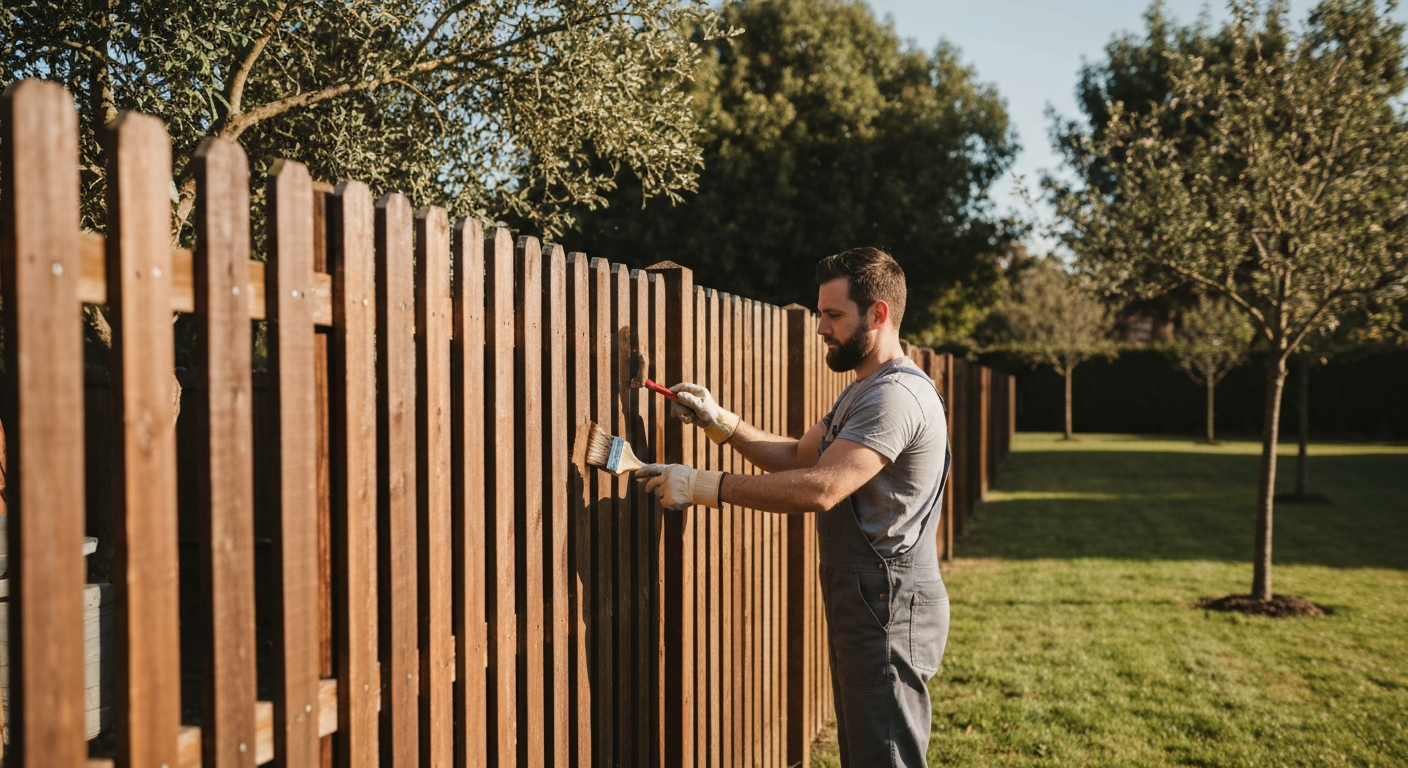
If you make the effort to match the fencing layout to the wind and water conditions on your property, and you select fence companies Melbourne that believe beyond the panel itself, you will certainly feel the difference every single time the tornados roll via. The fence stays straight, evictions maintain their placement, and little concerns show up early sufficient for you to repair them before they grow out of control right into a complete replacement.